Cart
0
Can you tell the difference between lab grown diamonds?
Lab grown diamonds have transformed the modern jewellery industry by offering the beauty, brilliance, and durability associated with diamonds while providing an alternative to traditionally mined stones. But one question often comes to mind when shopping for diamond jewellery: Can you tell the difference between lab grown diamonds and natural diamonds?
The simple answer is not by looking at them with the naked eye. Lab grown diamonds and natural diamonds have essentially the same chemical composition, crystal structure, physical properties, and optical characteristics. The main difference is their origin: natural diamonds develop deep within the Earth over extremely long periods, while lab grown diamonds are created in controlled laboratory environments using advanced technology.
At House of ANJewels, lab grown diamond jewellery combines contemporary design with fine craftsmanship, giving jewellery lovers an opportunity to explore elegant diamond pieces for everyday wear, celebrations, and special occasions.

What are lab grown diamonds?
Lab grown diamonds are genuine diamonds created using advanced technological processes that replicate the conditions required for diamond formation. The two primary methods used to create them are Chemical Vapor Deposition (CVD) and High Pressure High Temperature (HPHT).
Unlike diamond simulants such as cubic zirconia or moissanite, lab grown diamonds are not simply diamond look-alikes. They are diamonds with the same carbon-based crystal structure and characteristic properties as natural diamonds.
The major distinction is their origin. Natural diamonds are formed naturally beneath the Earth's surface, whereas lab grown diamonds are produced in a controlled environment.
This makes lab grown diamonds an increasingly popular choice for people looking for modern diamond jewellery.
Can you tell the difference between lab grown and natural diamonds?
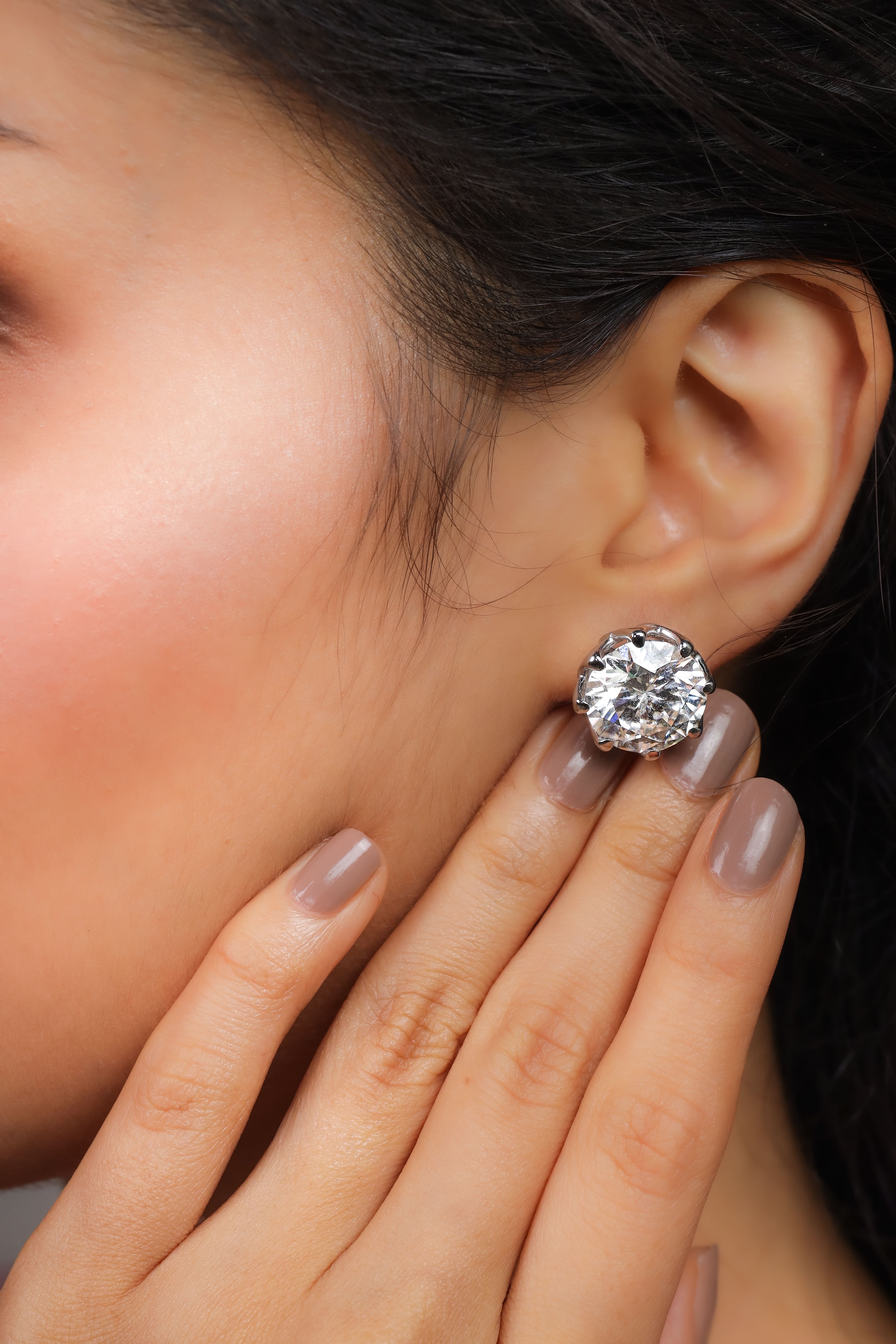
For most people, no. A lab grown diamond can look virtually identical to a natural diamond when viewed without specialist equipment.
Both can display impressive brilliance, fire, and sparkle when they have been well cut. They can also be available in different shapes, sizes, colours, and clarity grades.
Even an experienced jewellery buyer may not be able to determine whether a loose diamond is lab grown or natural simply by examining it with the naked eye.
The differences are generally revealed through specialised gemological testing and professional grading reports rather than ordinary visual inspection.
This is why certification is an important consideration when purchasing diamond jewellery. House of ANJewels states that its certified lab grown diamond jewellery comes with an IGI certificate, helping verify the diamond's authenticity and grading.
1. Look at the diamond's origin
The biggest difference between lab grown and natural diamonds is where they come from.
Natural diamonds are formed by geological processes deep within the Earth. Their formation occurs under extreme pressure and temperature over geological timescales.
Lab grown diamonds, on the other hand, are created using technological processes that reproduce the conditions necessary for diamond growth.
Therefore, the origin cannot normally be determined simply by looking at the finished stone. The diamond may have the same brilliant appearance regardless of how it was created.
2. Check the diamond certification
If you want to know whether a diamond is lab grown, one of the most reliable steps is to check its grading or certification documentation.
A professional diamond grading report can identify important information about the stone, including its laboratory-grown or natural origin, carat weight, colour, clarity, and cut characteristics.
For this reason, buyers should always purchase diamond jewellery from a reputable jeweller and ask about the available certification.
House of ANJewels highlights IGI-certified lab grown diamonds as part of its jewellery offering, providing customers with additional information about the stones used in its certified jewellery.
3. Can you see a difference in sparkle?
Sparkle is not a reliable way to distinguish lab grown diamonds from natural diamonds.
The brilliance of a diamond depends heavily on factors such as its cut, proportions, symmetry, polish, colour, and clarity. A beautifully cut lab grown diamond can therefore have exceptional brilliance, just like a beautifully cut natural diamond.
When two diamonds have comparable quality and cut, most people will not be able to identify which one is lab grown simply by observing their sparkle.
This is one reason lab grown diamonds have become increasingly popular in modern jewellery.
4. What about colour and clarity?
Lab grown and natural diamonds can both be found across a range of colour and clarity grades.
A diamond's appearance is influenced by its individual characteristics and grading rather than simply whether it was grown naturally or in a laboratory.
When selecting a diamond, it is therefore better to focus on the overall combination of cut, colour, clarity, carat, certification, and design rather than attempting to identify its origin visually.
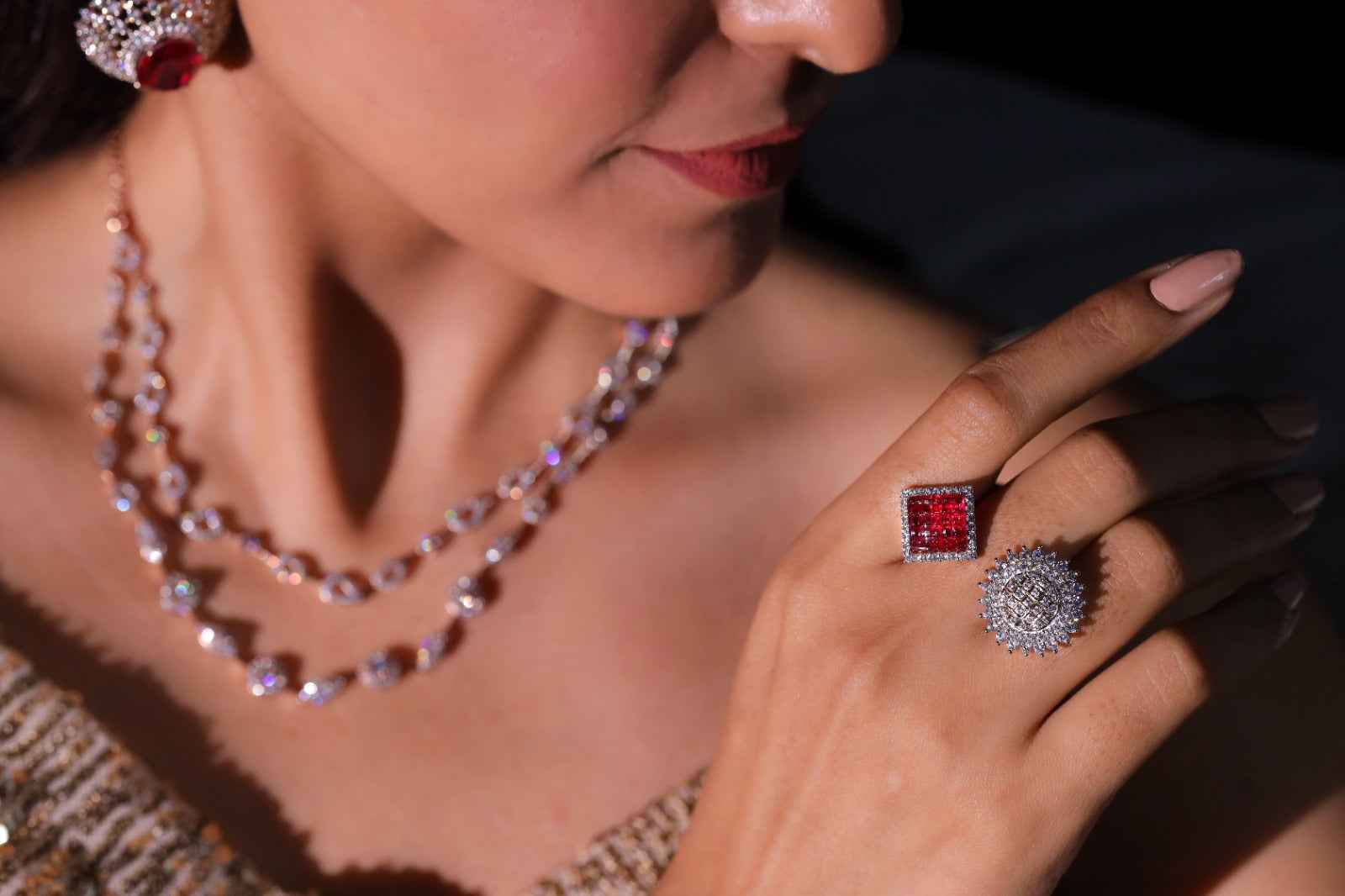
For jewellery lovers exploring different styles, the House of ANJewels ring collection features a variety of diamond ring designs, including contemporary and statement styles.
5. Can a jeweller tell if a diamond is lab grown?
A professional gemologist can use specialised equipment to distinguish between natural and laboratory-grown diamonds.
Although the two types of diamonds share many physical and optical properties, their growth environments can leave microscopic characteristics or growth patterns that specialised instruments can detect.
These features may not be visible to the naked eye.
Professional laboratories use advanced testing techniques to determine a diamond's origin and provide appropriate documentation.
This is why relying on a professional grading report is much more dependable than trying to identify the diamond yourself.
Lab grown diamonds vs natural diamonds: quick comparison
| Feature | Lab Grown Diamonds | Natural Diamonds |
|---|---|---|
| Origin | Created in a controlled laboratory | Formed naturally inside the Earth |
| Chemical composition | Diamond | Diamond |
| Crystal structure | Diamond crystal structure | Diamond crystal structure |
| Appearance | Can look virtually identical | Natural diamond appearance |
| Brilliance | Depends largely on cut and quality | Depends largely on cut and quality |
| Durability | Highly durable | Highly durable |
| Identification | Requires specialised testing | Requires specialised testing |
| Certification | Can be professionally certified | Can be professionally certified |
The most important takeaway is that origin is the key distinction, not whether one is a "real" diamond and the other is not.
Are lab grown diamonds real diamonds?
Yes. Lab grown diamonds are real diamonds. They are different from diamond simulants because they possess the characteristic properties of diamond.
The term "lab grown" describes how the diamond was created, rather than suggesting that it is an imitation.
For shoppers who want to understand the subject more deeply, the House of ANJewels website explains that lab grown diamonds have the same physical, chemical, and optical properties as natural diamonds. It also highlights lab grown diamonds as an affordable and modern luxury option.
You can explore the broader House of ANJewels jewellery collection to see how diamond jewellery is incorporated into different designs and categories.
Why are lab grown diamonds becoming popular?
One reason for the growing interest in lab grown diamonds is that they provide consumers with another way to experience diamond jewellery.
Depending on the stone and jewellery design, lab grown diamonds can offer a compelling combination of beauty, quality, and value.
They can be used in many of the same jewellery styles as natural diamonds, including engagement rings, earrings, necklaces, bracelets, and pendants.
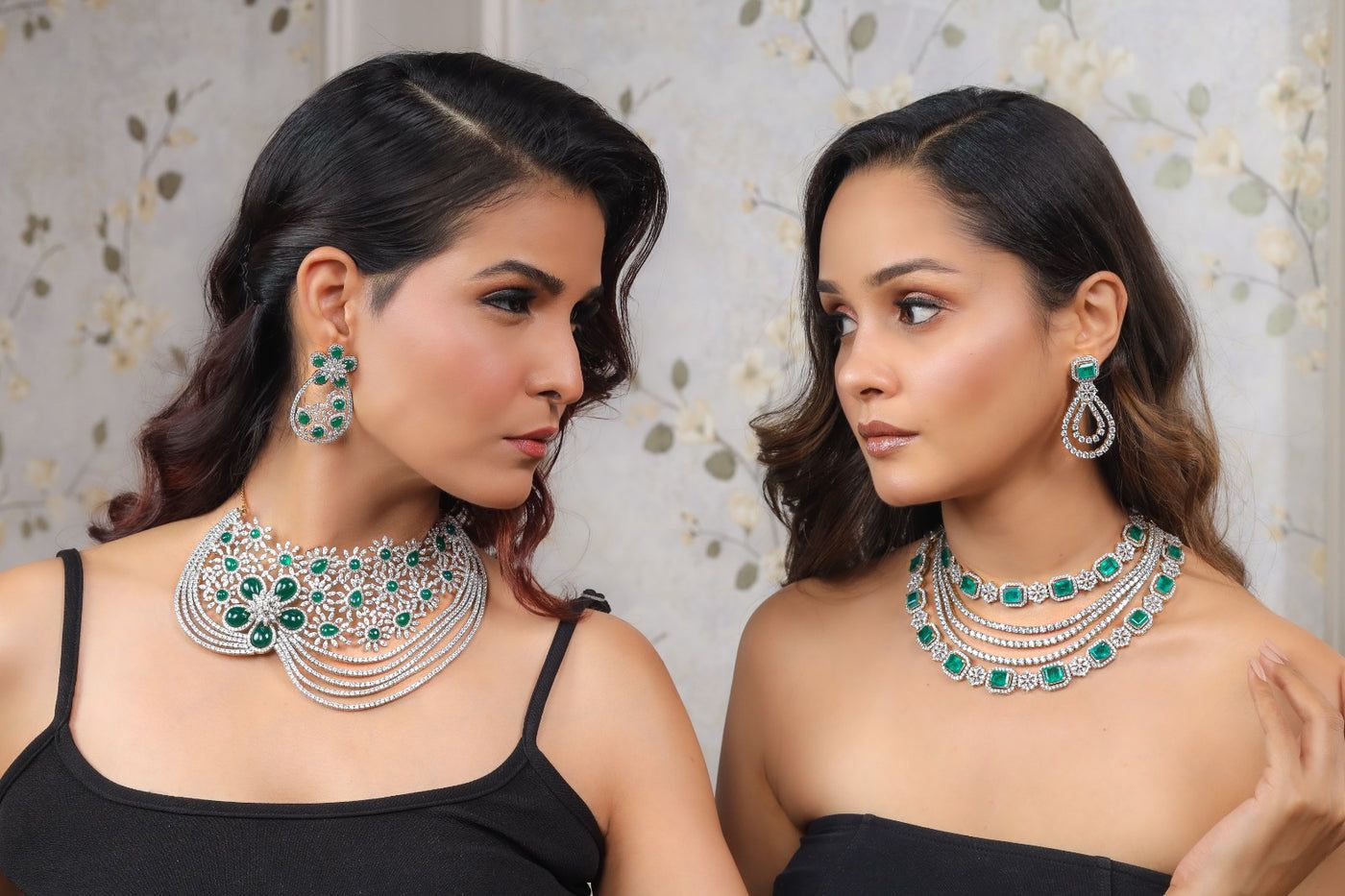
For example, shoppers interested in statement and everyday styles can explore the House of ANJewels necklace collection, where diamond designs are combined with contemporary jewellery aesthetics.
Similarly, a carefully selected pair of diamond earrings can provide a versatile option for both everyday outfits and special occasions.

How to choose a lab grown diamond
If you are considering purchasing a lab grown diamond, focus on the following factors:
1. Check the certification
Look for a recognised grading report that clearly identifies the diamond and provides its quality characteristics.
2. Consider the cut
Cut has a major influence on how much brilliance and sparkle a diamond displays. A well-cut diamond can appear significantly more lively and attractive.
3. Compare colour and clarity
Choose colour and clarity according to your preferences, jewellery design, and budget rather than focusing only on the highest available grade.
4. Select the right shape
Round, oval, pear, princess, emerald, cushion, and other shapes can create completely different visual effects.
5. Consider the jewellery design
The setting is just as important as the centre stone. A beautiful diamond can look very different depending on whether it is placed in a solitaire, halo, cluster, bezel, or other setting.
House of ANJewels offers a range of diamond pendant designs for shoppers who prefer elegant and versatile jewellery styles.
Can you tell if a diamond is lab grown just by looking at it?
In most cases, no.
A person without specialised gemological equipment generally cannot determine whether a diamond is lab grown or natural simply by looking at it. Even characteristics such as brilliance, fire, clarity, and colour are not reliable standalone indicators of origin.
Instead of trying to identify the diamond visually, check its certification and purchase from a trusted jewellery source.
This approach gives you greater confidence that you know exactly what you are buying.

Final thoughts
So, can you tell the difference between lab grown diamonds and natural diamonds? Not simply by looking at them.
Both can offer exceptional brilliance, durability, and beauty. The primary difference is their origin: natural diamonds form through geological processes inside the Earth, while lab grown diamonds are created using advanced technology in controlled laboratory conditions.
If you are considering lab grown diamond jewellery, focus on the factors that matter most to your purchase: certification, cut, colour, clarity, carat, design, and the reputation of the jeweller.
At House of ANJewels, shoppers can explore a variety of diamond jewellery styles designed to combine modern elegance with fine craftsmanship. Whether you are looking for a ring, necklace, earrings, bracelet, or pendant, understanding the difference between lab grown and natural diamonds can help you make a more informed jewellery decision.